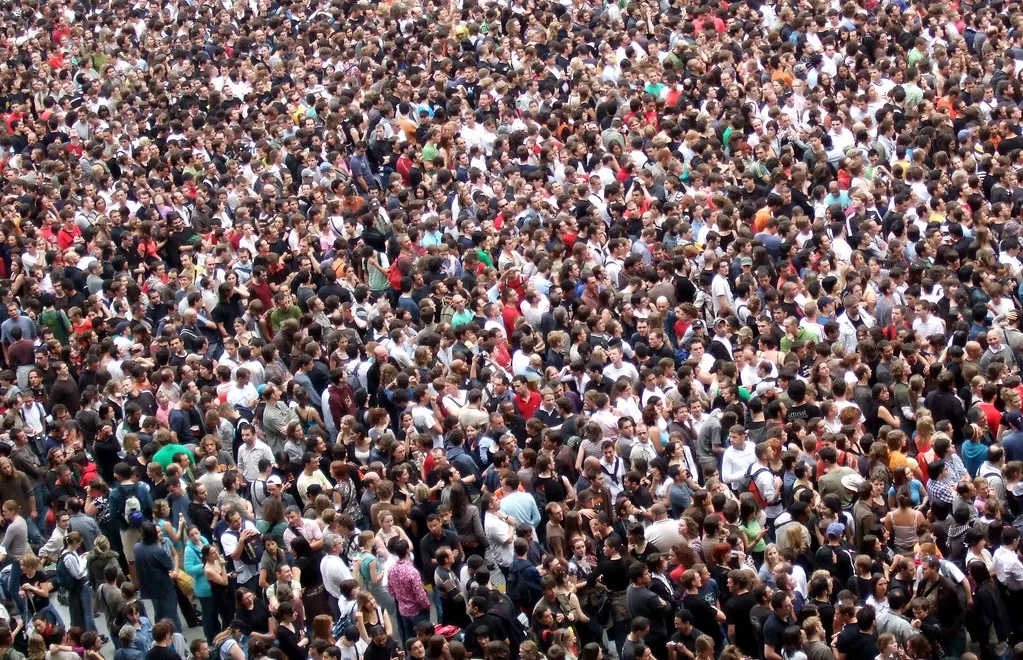
Large crowds carry risks such as stampedes, structure collapse, crowd crushes, injuries, and casualties. There are a multitude of reasons for a large crowd to gather, for example a holiday or cultural celebration, a team win, or entry to a concert. It is important to understand your risks and how to mitigate those risks while still enjoying your time.
The most effective way to reduce vulnerability is to plan ahead and remain situationally aware: understand the local threat environment, know your routes and exits, position yourself carefully within crowds, and avoid areas that are becoming overly congested, agitated, or poorly controlled.
Before an event
- Understand the destination and the event
- Know the venue and key locations
- Arrange a place to meet your group or companion if you get separated
While at the event
- Maintain situational awareness
- Pay close attention to your surroundings when in a large crowd
- Locate at least two emergency exits upon your arrival
- Be cognizant of the crowd density. The recommended crowd density maximum is five people per square meter (10.7 feet).
- "If you feel that people are touching you on both shoulders or on several places on your body at the same time, the density is probably around six or above" (NPR)
- If you notice an abnormally large gathering of security, police, or emergency staff converging on one area, calmly move away; they may be responding to a situation that could escalate.
- Position yourself sensibly in crowds
If you are in a stampede or crowd crush:
- Keep your arms bent and in front of your chest to create space to breathe.
- Don't scream or yell.
- Try to not resist the force of the crowd. Move with the general flow rather than pushing against it, then gradually work your way towards the edge where there is more space.
- Avoid standing against walls and other stationary objects.
- If you fall and are unable to return to your feet, curl in to a ball, lay on your left side, and protect your head and face as best as you can.
- Try to remain as calm as possible.
Do not remove any backpacks, purses, or other belongings. This may seem like the best thing to do, but these items cause tripping hazards and obstacles for emergency personnel.
Additional Resources