
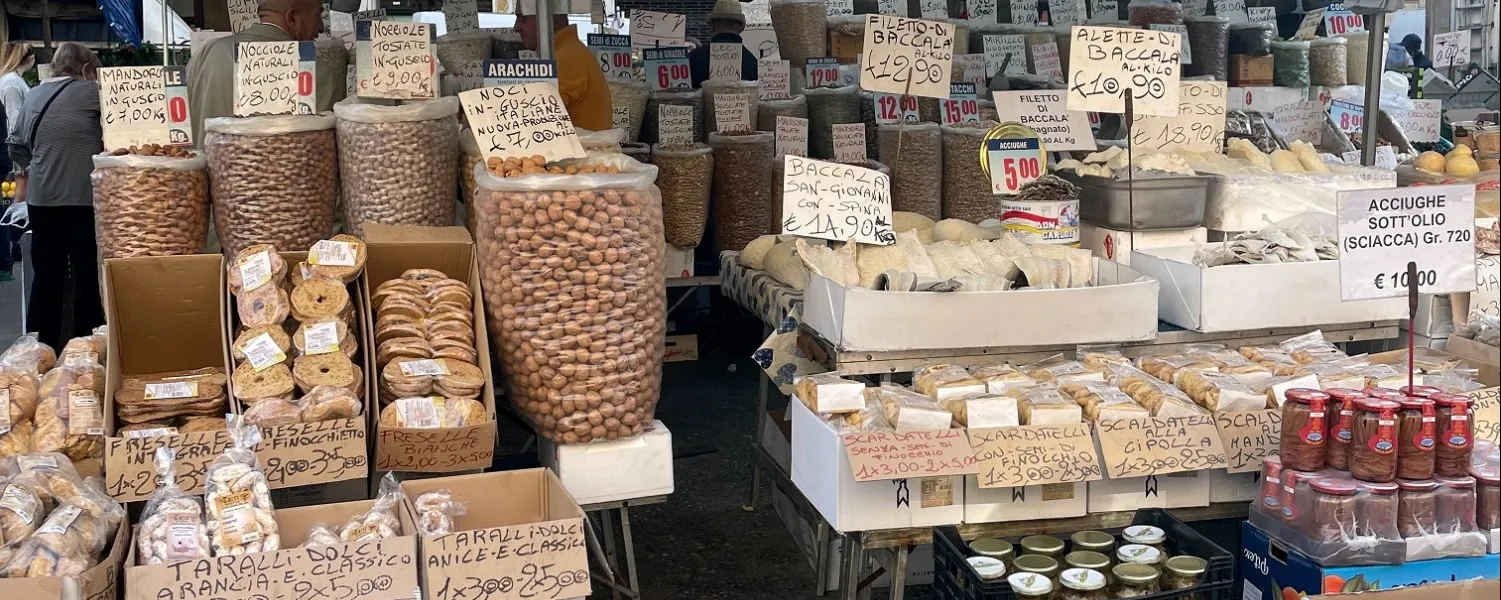
Food and Drink
Intestinal or digestive issues, such as traveler's diarrhea, can affect any traveler - even those who are prepared for it.
- Take medication with you for traveler's diarrhea, such as Immodium.
- While it is very tempting, pass on the street food, especially if there is no line for that vendor. It can mean a variety of things, such as the locals do not eat there or there isn't enough turnover with food so what you receive may be old.
- Boil, cook, and/or peel any produce purchased. Only eat raw fruit and vegetables if washed with hot, clean water. If you cannot guarantee this, avoid eating the peel/outside of the fruit or vegetable.
- Always wash your hands with warm water and soap. Hand sanitizer should be use if warm water and soap are not available.
- If you have a food allergy or intolerance, make sure the individual preparing your food is aware. You should ask if cross-contamination is possible.
- Make sure to ask if the food contains any of your allergens - especially peanuts, pine nuts, certain spices, eggs, dairy, and shellfish.
- Let you travel companions know if you have a food allergy that requires an EpiPen.
- Make sure your food is cooked properly and that meat is cooked to the appropriate heat.
- "Foods served hot: High heat kills most of the germs that cause travelers’ diarrhea. If cooked food is served steaming hot, it is usually safe to eat. Be careful of food that is cooked and allowed to sit at room temperatures or in a warmer, such as on a buffet. It could become contaminated while sitting out." (Centers for Disease Control and Prevention)
- Packaged, dry, or preserved foods such as nuts, bread, and chips/crisps are generally safe due to their packaging. Most foods stored in a factory-sealed container is usually safe as long as the seal is intact, that packaging isn't damaged, and that it is not past the expiration date (if one is visible).
- Be cautious of food that is cooked and then kept warm or at room temperature (such as buffets).
Additional Resources:
- Centers for Disease Control and Prevention - Traveler Advice: Food and Drinks
- Centers for Disease Control and Prevention - Food Safety
- It is advised that travelers drink bottled water or canned drinks. Travelers should check the bottle for signs of tampering before drinking, including under the label, the lid, and the bottom of the bottle.
- Carbonated drinks, such as sodas or sparkling water, are typically safe since the bubbles indicate that the bottle was sealed at the factory. (Centers for Disease Control and Prevention)
- Clean bottles or cans before opening and if they are stored in ice.
- Hot drinks, such as coffee and tea, are typically safe to drink if served steaming hot. Be careful about adding things like cream, lemon, or honey as these might be contaminated.
- When possible, avoid drinking tap water and using ice in your drinks.
- Do not use ice in drinks, as ice may not have been made with clean drinking water.
- Use safe water for brushing teeth and cleaning fruits and vegetables. Brush your teeth with bottled or disinfected water. Tap water can be disinfected by boiling, filtering, or chemically treating it, such as with bleach or another chlorine product.
- Don’t drink water from rivers or open wells, unless using an iodine resin water purifier.
- It is advised to avoid fountain drinks as these can be made with tap water.
- Stay hydrated and drink plenty of water.
Additional resources:
- Center for Disease Control and Prevention: Avoid Contaminated Water During Travel
It is important to maintain healthy nutrition while traveling. Unhealthy choices can lead to decreased energy, health problems, and other issues. We understand nutrition is different for everyone, travelers should follow advice best suited to their needs.
- Pack some high-fiber, high-protein, non-perishable snacks and plenty of bottle water. If you know you are going to be away from your accommodations, have pre-packaged snacks such as granola bars, nuts, etc. that won't melt. It is advised to have items that you can eat without needing to wash (i.e. bananas).
- Try to eat breakfast everyday. Stick with regular meal times and try not to skip any meals.
- Select healthy food options and/or foods you are accustom to eating.
- Try to limit indulging in high calorie foods.
Additional Resources: