Crowds

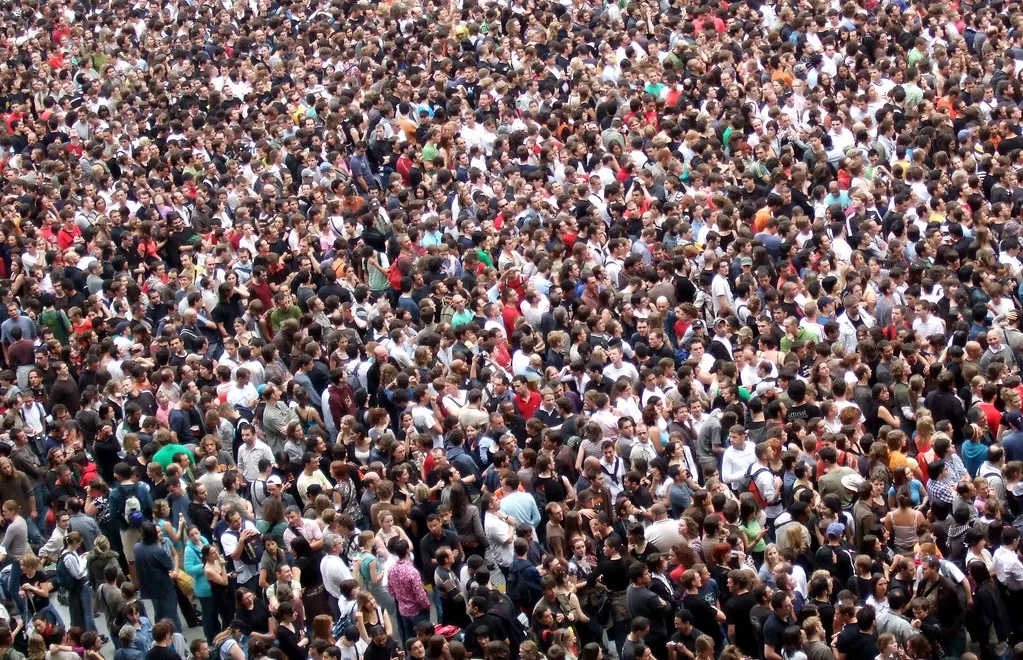
There are many different reasons a traveler could find themselves in a large crowd, from protests and demonstrations to groups celebrating a holiday. While most demonstrations, protests, and other large gatherings remain peaceful, some can result in assaults, crowd crushes, panic, and even casualties.

It is important to avoid areas where protests and demonstrations are taking place, and to understand what the most frequent areas are for these protests and demonstrations in your location are (i.e. a popular square, in front of the country's Parliament, etc.).


Pre-departure:

  • Carry out research on the location you are travelling to. There are several avenues to visit to gather information on the current situation on the location you are visiting. Government websites such as the US State Department https://www.state.gov/ and the British Foreign Commonwealth Office (FCO) https://www.gov.uk/foreign-travel-advice are a good source of information and normally up to date.


If you encounter a protest or demonstration

  • Protests and demonstrations are common, but while they can have the most peaceful intentions, they can turn violent with little warning. It is always advised to not participate in a public rally, protest, or demonstration.
  • Individuals caught in the vicinity of a disturbance may face incidental risks. In some countries, anyone perceived as a participant by law enforcement may be subject to local laws and applicable penalties or legal repercussions; simply being an observer in the area may classify you as a protestor and you may be detained and/or face legal issues as a result.
  • If a crowd begins to form, or security personnel are beginning to gather, quickly and calmly vacate the area. 
    • Depending on the situation, you should return to you accommodations if safe to do so, and standfast until the situation normalizes. 
  • Anticipate localized disruption during protests and strikes in major cities. You should allow for additional travel time for any journeys. 
  • During protests or demonstrations:
    • Do not cross roadblocks. Reconfirm your routes prior to departing your location. 
    • Do not watch or take photographs of demonstrations or protests. 
    • It is advised to not post political views on social media accounts. 
  • Closely monitor any developments using local sources. Follow all local directives. 


Additional resources 


Large crowds carry risks such as stampedes, structure collapse, crowd crushes, injuries, and casualties. There are a multitude of reasons for a large crowd to gather, for example a holiday or cultural celebration, a team win, or entry to a concert. It is important to understand your risks and how to mitigate those risks while still enjoying your time. 

The most effective way to reduce vulnerability is to plan ahead and remain situationally aware: understand the local threat environment, know your routes and exits, position yourself carefully within crowds, and avoid areas that are becoming overly congested, agitated, or poorly controlled.

Before an event

  • Understand the destination and the event 
  • Know the venue and key locations
    • Arrange a place to meet your group or companion if you get separated 

While at the event

  • Maintain situational awareness 
  • Pay close attention to your surroundings when in a large crowd
  • Locate at least two emergency exits upon your arrival
  • Be cognizant of the crowd density. The recommended crowd density maximum is five people per square meter (10.7 feet). 
    • "If you feel that people are touching you on both shoulders or on several places on your body at the same time, the density is probably around six or above" (NPR)
  • If you notice an abnormally large gathering of security, police, or emergency staff converging on one area, calmly move away; they may be responding to a situation that could escalate.
  • Position yourself sensibly in crowds 


If you are in a stampede or crowd crush:

  • Keep your arms bent and in front of your chest to create space to breathe.
  • Don't scream or yell. 
  • Try to not resist the force of the crowd. Move with the general flow rather than pushing against it, then gradually work your way towards the edge where there is more space.
  • Avoid standing against walls and other stationary objects. 
  • If you fall and are unable to return to your feet, curl in to a ball, lay on your left side, and protect your head and face as best as you can. 
  • Try to remain as calm as possible. 
  • Do not remove any backpacks, purses, or other belongings. This may seem like the best thing to do, but these items cause tripping hazards and obstacles for emergency personnel. 


Additional Resources