
Insect and Animal Bites
When traveling, don’t pet or feed animals, even pets, as they may not be vaccinated against rabies and other diseases. Animal licks and bites can cause a bacterial infection that may require antibiotics, so seek medical attention after any contact with an animal. Also, be sure you are up-to-date on your tetanus vaccination.
Bites from certain animals encountered during international travel (bats, cats, dogs, monkeys, and rodents) present a risk for serious infection. Saliva from these animals can be contaminated so heavily with pathogens that a bite might not be required to cause human infection, and exposures can occur through cuts, scratches, or mucous membranes.
Travelers are advised to never pet, handle, or feed unfamiliar animals, domestic or wild, even in captive settings (e.g., game ranches, petting zoos). Safaris and ecotours may encourage up-close contact with animals; these animals are wild, however, often have unpredictable behavior, and associate humans with food.
- Monkeys can spread rabies, Ebola, Marburg, herpes B virus, and tuberculosis. If you are traveling to places where monkeys roam, do not touch or feed the monkeys. Monkeys are notorious for climbing into vehicles and opening backpacks to get food. You should keep food items separated from personal effects in the vehicle. Travelers also should remove shiny or flashy jewelry, because these can attract attention from monkeys. Centers for Disease Control and Prevention
- Rodents, such as rats and mice, can spread many diseases through bites and scratches, urine, feces, or fleas that live on them. These diseases include plague, leptospirosis, hantavirus disease, and rickettsial diseases. Avoid places where there is evidence of rodent activity such as droppings or nesting materials. Do not touch anything that may be contaminated with rodent urine or feces.
- Bats can spread rabies, as well as histoplasmosis, Ebola disease, and Marburg virus disease. Stay away from caves, tunnels, or mines where bats live.
Birds can spread avian influenza and psittacosis, also known as “parrot fever.” Wash your hands with running water and soap after contact with birds or their droppings. Also, don’t visit poultry farms, bird markets, or other places where live poultry are raised, kept, or sold, if possible. Read more about bird safety while traveling.
If you are bitten or scratched by an animal:
- Immediately wash all bites and scratches well. Use plenty of soap and running water.
- Rabies is present worldwide and highly endemic in many areas.
- Call Crisis24 for medical attention immediately, even if you don’t feel sick or the wound does not look serious.
- To prevent rabies, start prophylaxis (treatment) immediately, which includes getting a series of vaccines after you have been bitten. Even if you were vaccinated against rabies before your trip, you still need to seek care and receive additional vaccine doses if you get bitten or scratched by an animal.
- Be prepared to travel back to the United States or to another area to receive treatment.
- Vaccination and medicine for rabies exposure is not available everywhere in the world.
Additional Resources
- Crisis24 Animal-Associated Hazards
- Centers for Disease Control and Prevention (CDC) - Zoonotic Exposures: Bites, Scratches, and Other Hazards
Ticks live in wooded areas as well as shrubs and grasses. Mosquitoes breed in stagnant water, such as in swamps and in sitting water containers in residential areas or even old tires. Different types of mosquitoes bite at different times of the day, so protection and awareness is crucial at all times. For example, those that spread malaria, bite at night (from “dusk until dawn”), and mosquitoes that spread dengue fever bite during the day. When returning indoors, check all clothing and your body for ticks and if found, remove promptly." International SOS (ISOS)
Mosquitoes
Over one million people die each year from mosquito-borne illnesses. It is important to prepare for mosquito bite prevention prior to your trip and while abroad.
Know the disease risks in the areas where you will be traveling, including the insects that transmit diseases and the times when these insects are most active. For example:
- Dengue fever, chikungunya, and Zika virus are transmitted by mosquitoes that are active during the day and usually present in urban areas.
- Mosquitoes that transmit malaria are active from dusk to dawn.
Bite Prevention
- Use insect repellent. Repellents containing DEET, picaridin, IR3535, and some oil of lemon eucalyptus and para-menthane-diol products provide long-lasting protection.
- Always follow the label instructions when using insect repellent.
- If using both sunscreen and insect repellent, apply the sunscreen first and then the repellent.
- Do not spray insect repellent on the skin under your clothing. Treat clothing or purchase permethrin-treated clothing.
- When weather permits, wear long-sleeve shirts and long pants. Spray the outside of clothing with insect repellent.
- Select accommodations with well-screened windows and doors or air conditioning when possible. If you are not able to confirm this with your accommodations, take a mosquito net with you.
- See a healthcare provider to discuss any concerns and to be evaluated as soon as any symptoms emerge.
- Prior to trip departure, consult with a physician regarding vaccinations.
For more mosquito bite information and vaccines, see the Centers for Disease Control and Prevention.
Ticks
Ticks live in grassy, brushy, or wooded areas, or even on animals. Spending time outside in these areas could bring you in close contact with ticks. Research your location(s) and take extra precaution if traveling to a location prone to ticks.
- Treat clothing and gear with products containing 0.5% permethrin. Permethrin can be used to treat boots, clothing and camping gear and remain protective through several washings. Alternatively, you can buy permethrin-treated clothing and gear.
- After you come indoors:
- Check your clothing for ticks: Ticks may be carried into the house on clothing. Tumble dry clothes in a dryer on high heat for 10 minutes to kill ticks on dry clothing after you come indoors. If the clothes require washing first, hot water is recommended. Cold and medium temperature water will not kill ticks.
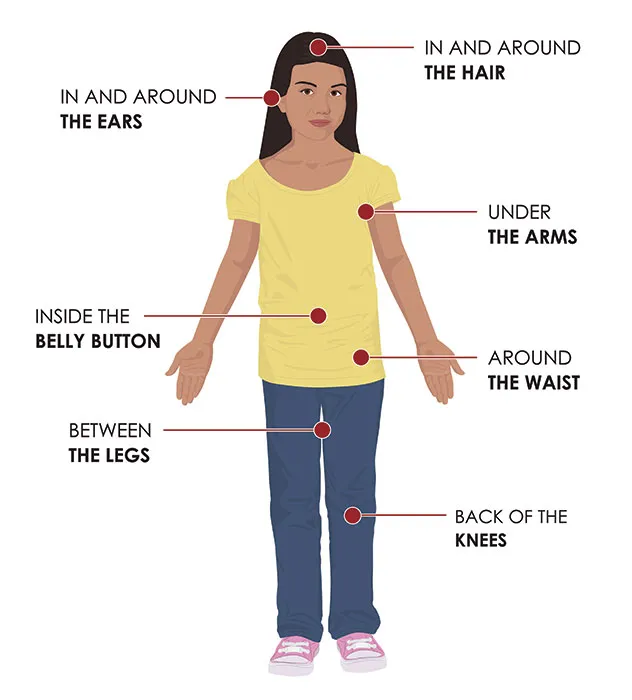
- Check yourself for ticks: Conduct a full body check upon return from potentially tick-infested areas, including your own backyard.
- Examine gear and pets: Ticks can ride into the home on clothing and pets, then attach to a person later, so carefully examine pets, coats, and daypacks.
- Shower soon after being outdoors: Showering within two hours of coming indoors may be effective in reducing the risk of tickborne diseases. Showering may help wash off unattached ticks and it is a good opportunity to do a tick check.
Additional Resources
- Crisis24 Insect Bite Precautions
- Centers for Disease Control and Prevention - Preventing tick bites.
The most dangerous species of venomous animals encountered in tropical, subtropical and desert areas are snakes, scorpions and spiders. They are generally most active at night.
Poison from snake and spider bites and scorpion stings causes tissue damage around the bite area. Venom can also have various serious effects throughout the body, so immediate care is essential. Some reactions include nerve damage, hemorrhages, and blindness if the venom comes in contact with the eyes. - International SOS (ISOS)
Scorpions
While most scorpion stings are not serious, medical attention may be needed for pain management and wound care, including preventive tetanus vaccine. People with severe symptoms of envenomation may require hospitalization and antivenoms, if available. Preventive measures to avoid scorpion stings include shaking out clothing and shoes before putting them on and wearing long-sleeved shirts and long pants when walking in areas known to contain scorpions. (Centers for Disease Control and Prevention)
Spiders
- Inspect or shake out any clothing, shoes, towels, or equipment before use.
- Wear protective clothing such as a long-sleeved shirt and long pants, hat, gloves, and boots when handling stacked or undisturbed piles of materials.
- Store apparel and outdoor equipment in tightly closed plastic bags.
- Keep your tetanus boosters up-to-date (every 10 years). Spider bites can become infected with tetanus spores.
- If bitten by a spider:
- Stay calm. Identify the type of spider if it is possible to do so safely. Identification will aid in medical treatment.
- Wash the bite area with soap and water.
- Apply a cloth dampened with cold water or filled with ice to the bite area to reduce swelling.
- Elevate bite area if possible.
- Do not attempt to remove venom.
- Immediately seek professional medical attention.
Information from the Centers for Disease Control and Prevention
Snakes
Although snakes can be found in many settings, simple preventive measures can greatly reduce the risk of snakebites.
- Wear long pants, socks, and high boots when hiking in areas inhabited by venomous snakes
- Inspect the ground before sitting down, especially at the base of a tree. Snakes are often found in vegetation along the banks of streams, rivers, and lakes.
- Use a flashlight when walking outdoors at night
- Do not reach blindly into brush, tree branches, rocky ledges, holes, or even bags before checking visually for snakes and other venomous animals.
- In certain locations, you should carefully shake out bedding material, shoes, and clothing before use also may reduce risk.
- Mosquito nets may prevent snakebites and should be tucked securely under sleeping bags.
- When appropriate, travelers should work with a knowledgeable local guide familiar with local snake species.
- Be aware of snakes that may be swimming in the water to get to higher ground and those that may be hiding under debris or other objects.
- If you or someone else is bitten by a snake:
- Try to see and remember the color and shape of the snake, which can help with treatment of the snake bite. Do not try to catch or trap the snake.
- Keep the bitten person still and calm. This can slow down the spread of venom if the snake is venomous.
- Do not apply a tourniquet, suck out the venom, or apply ice. Stereotypical first aid measures (i.e. what you see in movies) should not be used. Incisions, suction, tourniquets, and compression are all harmful to the patient.
- Seek medical attention as soon as possible. Call Crisis24 for assistance.
For more information, the Centers for Disease Control and Prevention - How to Prevent or Respond to a Snake Bite.